

100% Graduate Employment Rate
Graduate with a firm job offer.
radio_button_unchecked
change_history

Multidisciplinary Innovation Projects
Work on real-world student projects that improve various industries.
radio_button_unchecked
change_history

Internationally Benchmarked
Study an IT qualification audited by top European universities.
radio_button_unchecked
change_history

Industry-Relevant Qualifications
Study a curriculum that meets the changing needs of the industry.
radio_button_unchecked
change_history
Study IT Online
Study at Belgium Campus worldwide, on any device, with our hybrid learning model!
radio_button_unchecked
change_history
Study IT in Stellenbosch
Launch your career in IT at our new campus in Stellenbosch!
radio_button_unchecked
change_history







24 billion record breach puts SMEs at greatest risk
Small businesses with inadequate IT support, which rely on single sign-on credentials for access to e-mail, accounting software and customer relationship management (CRM) platforms, are the most at risk from a data breach containing 24 billion records, say two experts.
Cybernews researchers found an exposed Elasticsearch cluster – a high-performance database that stores, indexes and rapidly searches massive volumes of structured data – containing 24 billion records and more than 8.3TB of data. The database was exposed to the internet because of a configuration error, it says.

SAICTA Honours Jacqui Muller as ICT Professional of the Year 2026
The South African ICT Association (SAICTA) is proud to announce Jacqui Muller as the recipient of the ICT Professional of the Year Award 2026, one of the flagship honours presented at the inaugural SAICTA ICT Excellence Awards Gala.
Selected from an exceptional field of nominees, Jacqui was recognised for her outstanding leadership, technical expertise, and long standing commitment to advancing South Africa’s digital ecosystem and practice Her career reflects a commitment to strengthening governance, driving innovation and fostering excellence across the country’s rapidly evolving digital economy.
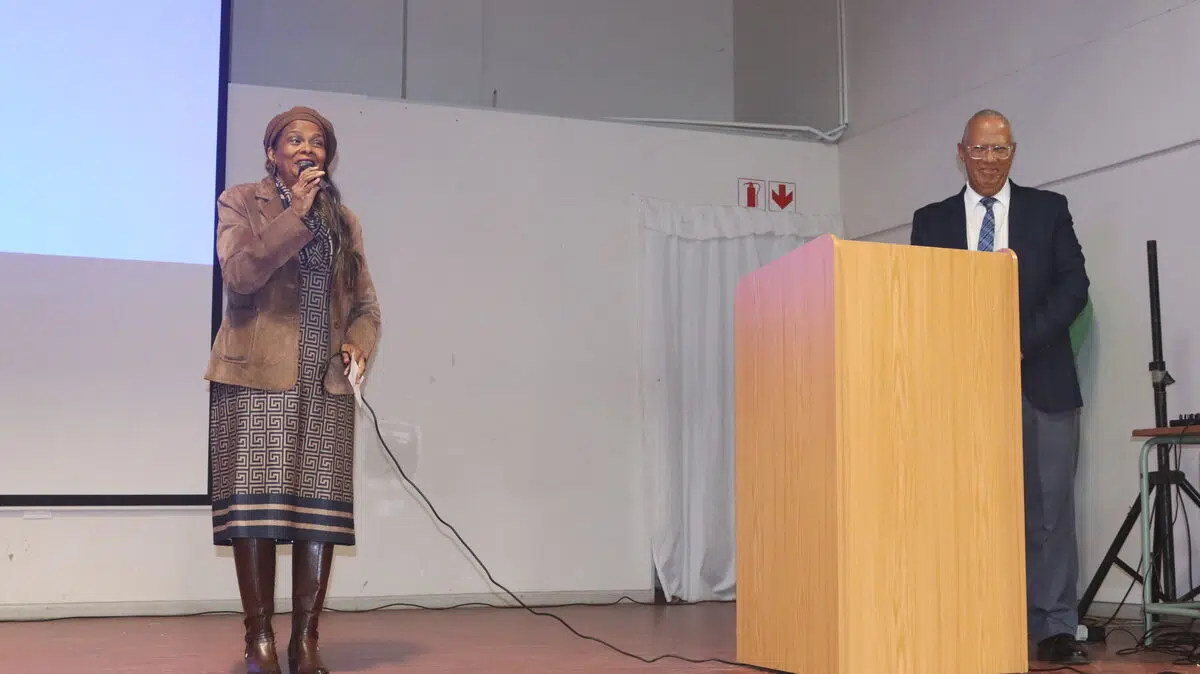
Local Grade 7 learners get a chance to look to the future
Grade 7 learners at primary schools in Macassar and Somerset West were introduced to a wide range of careers and skills-based opportunities last week as their schools hosted back-to-back career days.
On Wednesday 27 May Firgrove Primary School hosted neighbouring Oklahoma Street and St Paul’s primary schools for a joint Life Orientation Club Expo.