
The Rise of Generative AI and What It Means for Students
At a Glance
The rise of Generative AI and what it means for students includes personalised learning, enhanced creativity, stronger digital literacy, improved research skills, and new opportunities in coding and emerging technologies. Generative AI helps students learn faster, think critically, collaborate digitally, and prepare for future careers shaped by AI‑driven innovation. Ethical awareness, digital safety, and adaptability are essential as AI becomes central to education across South Africa, Africa, and the global digital economy.
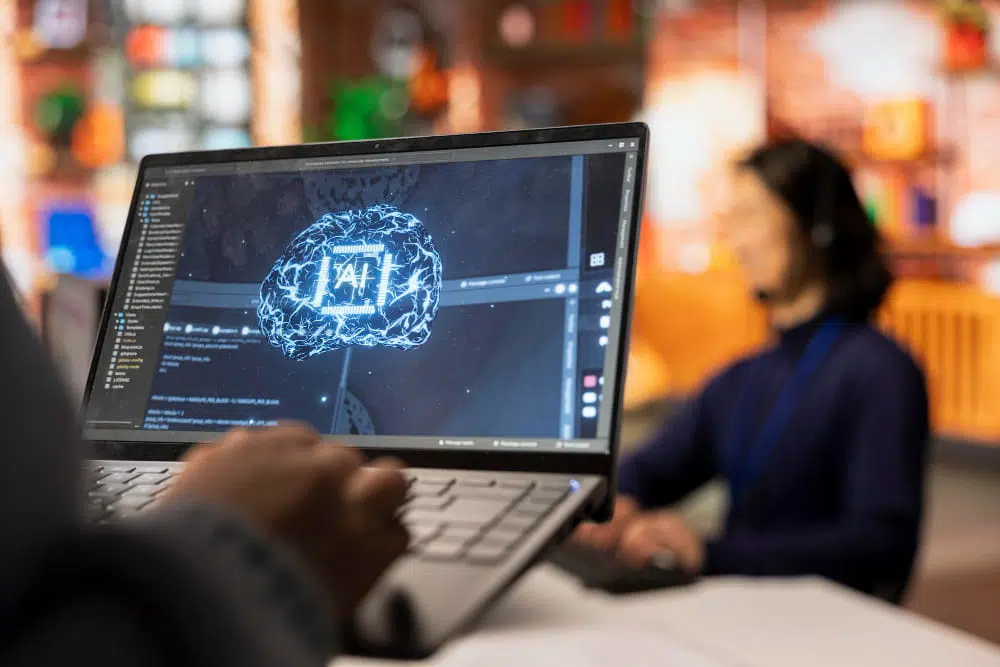
The rise of Generative AI and what it means for students is one of the most important conversations in education today. Generative AI is reshaping how people learn, create, solve problems, and prepare for future careers. For students across South Africa, Africa, and the world, this technology is not just a trend – it is becoming a core part of academic life and a powerful tool for building future‑ready skills.
Generative AI extends far beyond chatbots and automated writing tools. It can produce text, images, code, music, simulations, and personalised learning experiences. It is transforming classrooms, influencing career paths, and redefining what it means to be digitally literate in a rapidly evolving world.
A New Era of Personalised Learning with Generative AI
Adaptive Content and Tailored Support
One of the most significant aspects of the rise of Generative AI and what it means for students is personalised learning. Generative AI can adapt content to a student’s pace, style, and level of understanding. It can simplify complex concepts, generate practice questions, summarise notes, and provide instant feedback.
For students in South Africa, where access to personalised academic support can vary, Generative AI acts as a powerful equaliser. It strengthens weak areas, improves revision, and builds confidence through tailored learning experiences.
Improved Revision and Concept Mastery
AI‑powered tools help students revise more effectively by breaking down difficult topics, offering alternative explanations, and generating customised study materials.
Creativity Amplified Through Digital Tools
AI‑Enhanced Brainstorming and Ideation
Generative AI enhances creativity by helping students brainstorm ideas, explore new concepts, and experiment with digital formats.
Digital Storytelling and Multimedia Creation
Students can use AI to design graphics, compose music, create videos, and develop prototypes. Instead of replacing creativity, AI expands it – giving students new ways to express themselves and produce professional‑quality content. This shift is especially valuable in Africa’s growing digital creative economy.
Stronger Digital Literacy and Critical Thinking
Evaluating AI‑Generated Content
The rise of Generative AI and what it means for students includes a renewed focus on digital literacy. Students must learn how to evaluate AI‑generated content, identify inaccuracies, and distinguish between credible information and fabricated outputs.
Fact‑Checking and Responsible Use
Critical thinking becomes even more important. Students must question sources, verify facts, and understand the limitations of AI. This is essential in a world where misinformation spreads quickly and AI‑generated content is increasingly common.
New Opportunities in Coding and Computational Thinking
AI‑Supported Programming Skills
Generative AI can help students learn programming by generating code snippets, explaining errors, and demonstrating how algorithms work.
Understanding Algorithms and Logic
This makes coding more accessible to beginners and accelerates learning for advanced students. As AI‑driven industries expand across Africa – from fintech and agriculture to healthcare and logistics – students with coding skills will be well positioned for future careers.
Enhanced Research and Academic Productivity
AI Tools for Summaries, Notes, and Study Guides
Generative AI is transforming how students research, write, and study. It can summarise long articles, generate study guides, organise research findings, and create revision flashcards.
Streamlined Academic Workflows
Students benefit from faster access to information, improved note‑taking, and more efficient academic processes. Responsible use is essential – AI should support learning, not replace it.
Ethical Awareness and Responsible Digital Behaviour
Plagiarism, Bias, and Data Privacy
The rise of Generative AI and what it means for students also raises important ethical questions. Students must understand issues such as plagiarism, data privacy, bias in AI systems, and responsible digital behaviour.
Guidelines for Safe and Ethical AI Use
Educational institutions across South Africa are developing guidelines for ethical AI use. Students who learn to navigate these issues will be better prepared for workplaces where AI is integrated into daily operations.
Preparing for Future Careers Shaped by AI
AI‑Driven Career Pathways
AI is transforming industries across Africa, creating new roles and reshaping existing ones. Students who understand how AI works – and how to use it effectively – will have a competitive advantage.
Future‑focused careers influenced by Generative AI include:
- AI engineering,
- data science,
- cybersecurity,
- software development,
- digital marketing,
- UX/UI design,
- robotics and automation, and
- renewable energy technology.
Emerging Roles Across South Africa and Africa
AI adoption is accelerating across sectors such as fintech, agriculture, healthcare, logistics, and renewable energy – creating new opportunities for digitally skilled graduates.

Building Adaptability and Lifelong Learning Habits
Continuous Learning in a Fast‑Changing Digital World
The rise of Generative AI and what it means for students highlights the importance of adaptability. Technology evolves quickly, and students must be able to learn new tools, explore emerging technologies, and stay curious.
Curiosity and Experimentation with New Technologies
Generative AI encourages experimentation and continuous learning. Students who develop these habits will thrive in a world where digital skills must be updated regularly.
Preparing Students for an AI Powered Future
The rise of Generative AI and what it means for students is clear: AI is becoming a central part of learning, creativity, research, and career development. Students who understand how to use Generative AI responsibly and effectively will be better equipped to succeed in a digital‑first world.
By embracing personalised learning, creativity, digital literacy, coding, ethical awareness, and adaptability, students position themselves for future‑ready careers and meaningful participation in the global digital economy.
Frequently Asked Questions About the Rise of Generative AI and What It Means for Students
- What is Generative AI and why is it important for students?
Generative AI creates text, images, code, and more, helping students learn, research, and create content more effectively. - How is Generative AI changing the way students learn?
It enables personalised learning, instant feedback, simplified explanations, and tailored study support. - What are the benefits of Generative AI for students in South Africa?
It improves access to personalised academic support, boosts digital literacy, and prepares students for tech‑driven careers. - Can Generative AI help students with creativity and content creation?
Yes – students can use AI to brainstorm ideas, design graphics, create videos, and enhance digital storytelling. - How does Generative AI support coding and computational thinking?
AI can generate code, explain errors, and help students understand algorithms, making coding more accessible. - Is Generative AI useful for academic research?
Students can summarise articles, organise notes, generate study guides, and streamline research tasks. - What ethical issues should students be aware of when using AI?
Plagiarism, data privacy, bias, and responsible use are key considerations for ethical AI engagement. - Will Generative AI affect future career opportunities for students?
Yes. AI is reshaping industries, creating new roles, and increasing demand for digital and analytical skills. - How can students use Generative AI safely?
By verifying information, protecting personal data, avoiding over‑reliance, and following institutional guidelines. - What skills do students need to thrive in an AI‑powered world?
Digital literacy, critical thinking, adaptability, coding basics, and ethical awareness.
- Phillip Crafford, Belgium Campus iTversity



Future‑Proof Skills for a Digital‑First World
By this year, attackers were using AI to scale and accelerate cyber crime, which extends from generating code and automating attacks, to crafting convincing phishing and deepfake scams. The AI Incident Database lists more than 7 000 incidents in which AI was used as a hacking tool.