
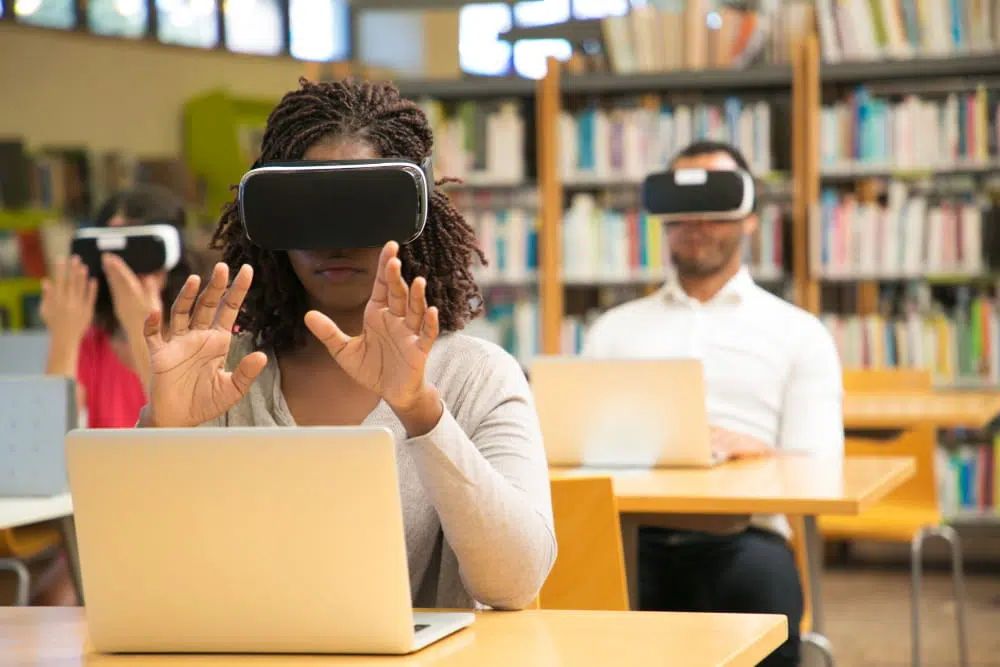
Why SA schools must embrace technology and active learning
Technology has long played a part in education. The chalkboard appeared in 1890, the pencil became widespread a decade later, followed by radio a century ago, the overhead projector in 1930 and the photocopier in the late 1960s. The computer arrived in the 1980s and mobile devices have since made it possible for learners to access content anytime, anywhere.
Covid-19 moved everything online almost overnight. Technologies that might have taken years to adopt became mainstream in months, normalising digital learning for teachers and students.
It was not a perfect system, as many children were left behind due to unequal access to technology, and the solutions implemented as part of lockdown were not systems that were designed to teach foundational skills remotely. But it challenged the production-line model of learning. Students had to manage their own schedules, learn independently, find information themselves and develop digital skills. And then most of them went back to sitting in rows.
Why SA schools must embrace technology and active learning Read More »