
Wired Differently for the Beautiful Game: How Software Engineering Makes the 2026 World Cup Accessible to Deaf Fans
At a Glance
Software engineering for accessibility is shifting from a late-stage compliance requirement to a core architectural baseline. The 2026 FIFA World Cup reflects this shift through major accessibility initiatives, including dedicated, human-led sign language broadcasts for all 104 matches and expanded digital experiences for Deaf and hard-of-hearing audiences.
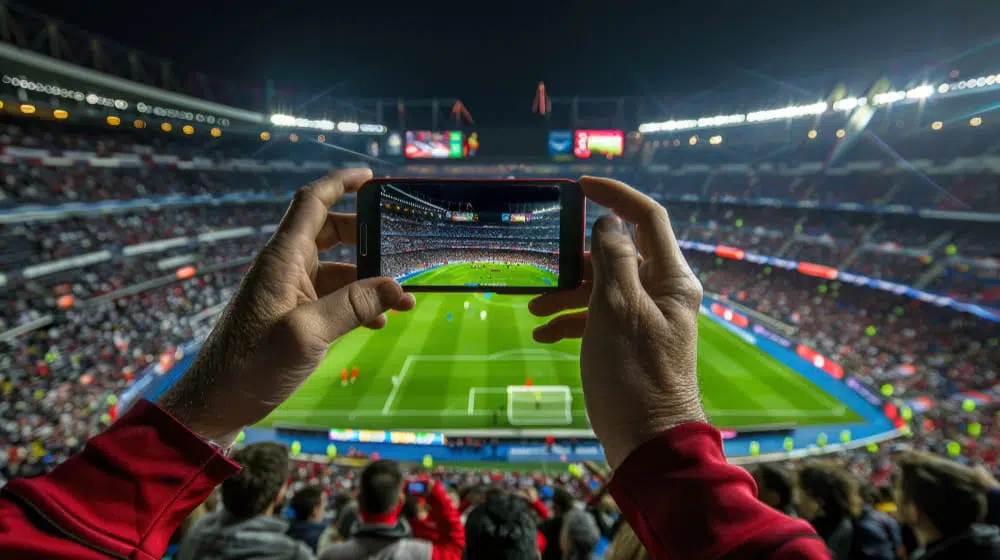
These developments demonstrate how inclusive digital environments can be designed into complex systems from the outset rather than added later as unstable software patches.
In South Africa, where Belgium Campus iTversity produces more than 8% of the country’s ICT graduates, local development teams have a direct opportunity to apply the same human-centred engineering principles by building accessibility into enterprise software from day one.
Unsilencing the Stadium, Software as a Sensory Bridge
Imagine standing inside a packed football stadium as a winning goal is scored. The crowd erupts, and thousands of voices merge into a single, overwhelming wave of sound.
For many Deaf and hard-of-hearing fans, however, that moment has traditionally been experienced differently, completely disconnected from spoken venue commentary, public announcements, and the shared acoustic environment.
This is where software engineering for accessibility becomes far more than technical discipline. It operates as a vital mechanism for translating and synchronising complex data architecture between completely different human experiences.
The 2026 FIFA World Cup is bringing digital accessibility closer to the absolute centre of global sports infrastructure. Through multi-platform sign language streams, low-latency captioning technologies, and emerging cross-sensory systems, accessibility is increasingly treated as a primary non-functional design requirement.
At Belgium Campus iTversity, we often speak about our students and graduates being wired differently. The true power of software engineering lies in recognising that people experience the world through diverse sensory frameworks, allowing us to build systems that accommodate those variations from the very first line of code.
To achieve this at scale, systems architects focus on three fundamental engineering principles:
- Data Transformation: Converting multi-channel audio, live video, and environmental pitch information into multiple accessible, real-time formats.
- Architecture Requirements: Embedding universal accessibility standards directly into the primary system blueprint instead of treating them as secondary updates.
- Cross-Sensory Infrastructure: Designing unified backend pipelines capable of serving sight, sound, text, and tactile touch simultaneously from a single data source.
Accessibility Is a Data Engineering Achievement
Modern accessibility systems succeed because they solve complex data engineering and synchronisation problems in real time. Large-scale sporting events generate enormous volumes of concurrent, volatile data packets.
Live match commentary, emergency public announcements, VAR referee decisions, and rapid score updates must be delivered accurately with sub-second latency across highly fragmented networks.
Making these live environments accessible requires sophisticated multi-platform synchronisation between master data sources, stadium hardware, and end-user mobile devices. Accessible stadium environments typically rely on specialised, low-latency captioning technologies and automated speech-to-text systems.
These architectures must distribute information across field ribbon boards, giant stadium scoreboards, concourse TV screens, broadcast feeds, and consumer mobile applications concurrently.
For software engineering students, these live environments provide a practical, real-world masterclass in how distributed systems operate under extreme edge conditions. Although individual venue implementations vary globally, accessible communication systems generally process streaming information through a structured four-stage pipeline:
- Acoustic Ingestion: High-fidelity field microphones capture live audio signals directly from commentary feeds, official announcements, and the immediate match environment.
- Low-Latency Processing: Specialised Automatic Speech Recognition (ASR) engines filter out background crowd noise and use deep learning models to convert spoken speech into text within milliseconds.
- Simultaneous Distribution: Scalable backend cloud services and message brokers route the transcribed text streams to thousands of unique endpoints in parallel.
- Multi-Platform Output: The timestamped text data is presented across digital stadium screens, broadcast networks, and web sockets in perfectly synchronised formats.
The core lesson for the next generation of developers is clear. True digital accessibility at a global scale is not primarily a user-interface design challenge. It is a rigorous backend engineering achievement that demands robust, high-performance data architecture.
Cross-Sensory Technologies Are Expanding the Boundaries of Software Architecture
Digital accessibility is no longer limited to traditional visual user interfaces and standard text-based screen outputs. Across the global technology sector, systems developers are increasingly exploring cross-sensory technologies that translate information from one sensory format into an entirely different medium. These innovative approaches create unprecedented opportunities for fans to experience high-energy events through physical touch alongside sight and sound.
Research projects and pilot accessibility programmes associated with major FIFA football events have successfully explored wearable haptic technologies. These specialised garments are capable of converting live stadium acoustic waves and pitch telemetry into real-time tactile feedback.
Systems such as the CuteCircuit SoundShirt have demonstrated how environmental audio, referee whistles, and sudden crowd reactions can be translated into precise physical vibrations experienced by the wearer.
While many of these mobile haptic technologies have primarily been engineered to support blind and low-vision users tracking ball trajectory, the underlying engineering principles offer massive potential benefits for Deaf and hard-of-hearing audiences.
By mapping environmental sound data directly onto the body, these systems allow users to feel the changing emotional intensity of a live audience.
These cross-sensory systems depend on several tightly interconnected software and hardware components:
- Telemetry Ingestion: High-speed wireless networks collect real-time data packets tracking pitch action, referee whistle frequencies, and crowd decibel shifts.
- Haptic Mapping Algorithms: Custom software engines process the incoming data and instantly convert acoustic frequencies into digital tactile instructions.
- Actuator Activation: Lightweight, body-worn hardware receives these wireless instructions and triggers embedded rows of micro-actuators.
- Tactile Feedback: The coordinated actuator arrays deliver localised frequency vibrations against the user’s skin, providing an immersive physical connection to the environment.
For enterprise software engineers, the long-term significance of these systems extends far beyond the realm of professional sport. They demonstrate how modern digital architecture can completely bridge entirely different modes of human perception and sensory interaction.
Machine Learning Must Adapt to Visual-Spatial Languages
Sign languages present unique, high-level programming challenges for software engineering teams because they are not direct, word-for-word versions of spoken languages. Languages such as American Sign Language (ASL), Mexican Sign Language (LSM), and South African Sign Language (SASL) are naturally three-dimensional.
They rely on complex, concurrent configurations of hand shapes, spatial movements, facial expressions, body positions, and shifting torso orientations. Meaning is created through multiple simultaneous visual signals rather than a linear sequence of text.
For the 2026 FIFA World Cup, dedicated sign language interpretation broadcasts are provided for all 104 matches through official tournament digital platforms.
These live video overlay feeds are delivered by professional human interpreters, representing a major milestone for linguistic accessibility in global sport.
At the same time, computer science researchers continue exploring how machine learning models can support future automated sign language technologies.
Specialised institutions, including Gallaudet University’s Artificial Intelligence, Accessibility and Sign Language Centre (AIASL), are actively investigating how advanced computer vision can better interpret and process visual-spatial communication frameworks.
Several critical machine learning research areas continue to actively shape the future of this specialised field:
- Computer Vision Tracking: Deep learning networks analyse skeletal hand tracking, upper-body gestures, and facial syntax using standard, non-invasive video inputs.
- Interpreter Support Tools: Experimental systems investigate how machine learning can assist human translation workflows by auto-cueing technical terminology or organising real-time data feeds for live interpreters.
- Dialect Localisation: Neural networks are being trained to recognise and respect regional variations and unique local dialects within specific sign language communities.
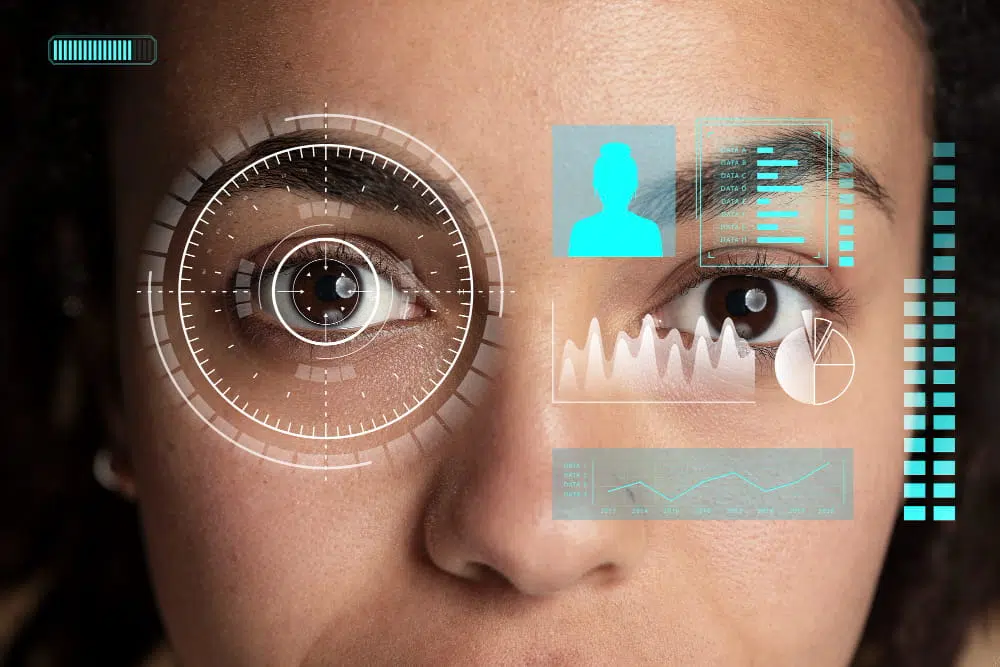
The ultimate objective of these machine learning initiatives is not to completely replace indispensable human interpreters at live events. Instead, the focus is on developing scalable assistive technologies that can make daily digital communication universally accessible while fully respecting the linguistic complexity of visual-spatial grammar.
Belgium Campus iTversity Demonstrates the Ubuntu Baseline
The progressive accessibility principles emerging across global sport reflect a foundational philosophy that has guided Belgium Campus iTversity since its inception in 1999.
Operating from modern, high-tech campuses in Pretoria, Kempton Park, and Stellenbosch, the institution views software engineering for accessibility as an immediate societal necessity. This perspective aligns perfectly with Ubuntu, the African humanist philosophy that individual progress is inextricably linked to collective community wellbeing. Within the context of modern software engineering, Ubuntu means designing technology that inherently recognises human diversity rather than treating accessibility as an optional exception.
Belgium Campus iTversity has fully embedded this inclusive philosophy into its specialised Diploma in Information Technology (Software Development) for Deaf Students.
The pioneering programme is structured as a dedicated four-year qualification path registered at NQF Level 6 (360 Credits) and is supported by purpose-built learning interventions designed to eliminate systemic barriers. This comprehensive educational ecosystem ensures structural equity through several distinct pillars:
- CHE and DHET Recognition: The qualification is fully accredited by the Council on Higher Education (CHE) and registered with the Department of Higher Education and Training (DHET).
- Integrated SASL Support: Professional South African Sign Language (SASL) interpreters are fully embedded into every aspect of the learning experience, covering technical lectures, academic assessments, and project sessions.
- Visual-Spatial Learning Design: Specialised computer laboratories utilise an optimal half-moon seating arrangement that maximises open visual lines of communication between students, lecturers, and interpreters.
- Workplace Simulation: Students complete a mandatory six-month workplace simulation block, working side-by-side with hearing peers to build enterprise-level software applications with confidence.
The immense structural success of this inclusive educational model was highlighted when six Deaf students successfully transitioned from the diploma track to graduate with full Bachelor of Information Technology (BIT) degrees, marking a historic national first in South African higher education.
The immense structural success of this inclusive educational model was highlighted when six Deaf students successfully transitioned from the diploma track to graduate with full Bachelor of Information Technology (BIT) degrees, marking a historic national first in South African higher education.
While global sporting events demonstrate what inclusive technology can achieve on television, Belgium Campus iTversity demonstrates how those exact same engineering principles can be woven into everyday education, skills development, and sustainable technology careers.
System Override: South African ICT Teams Must Treat Accesibility as a Baseline, Not a Feature
The major accessibility developments emerging across global sport present a direct, unavoidable challenge to South Africa’s broader ICT sector and corporate development teams.
If high-stakes digital ecosystems can successfully support universal sign language broadcasts, increasingly sophisticated accessibility services, and emerging cross-sensory technologies, then local commercial platforms have no valid excuse for maintaining exclusionary software architectures.
Corporate enterprises can no longer justify treating human-centred accessibility features as a secondary compliance checklist or a low-priority Jira ticket.
Organisations that continue to approach accessibility as an inconvenient regulatory exercise risk building fundamentally obsolete digital products that fail to meet tightening international standards and growing user expectations. The future of software development belongs to engineering teams that treat inclusive design as a core requirement of structural and architectural integrity. Inclusive systems are not specialised, separate products; they are simply better-engineered systems.
For South Africa’s technology sector, the question is no longer whether accessible software can be successfully deployed at scale. The critical question is whether corporate organisations are willing to make accessibility an absolute baseline for their core system architectures.
Frequently Asked Questions about Software Engineering
- How does software engineering for accessibility improve real-time digital experiences?
It optimises backend data pipelines to deliver information simultaneously through multiple concurrent formats, including synchronised text, visual user interfaces, low-latency audio streams, and haptic feedback. This robust data architecture ensures that users with diverse sensory capabilities can access identical, uncompromised information in real time. - How does the 2026 FIFA World Cup support Deaf and hard-of-hearing fans?
FIFA provides dedicated, human-led sign language interpretation broadcasts for all 104 matches through its official digital platforms, representing a major milestone for sports accessibility. The initiative reflects a broader movement toward more accessible sporting environments, where visual information systems, captioning technologies, and digital accessibility tools are becoming increasingly important parts of the fan experience. - What is the primary focus of sign language AI in modern research?
Sign language AI focuses on leveraging advanced computer vision and machine learning models to analyse body posture, hand gestures, and facial syntax to support translation workflows. These experimental systems are designed to assist human interpreters and improve interface accessibility rather than completely replacing professional human translators. - What is the Diploma for Deaf Students offered by Belgium Campus iTversity?
It is a specialised, CHE-accredited qualification path registered at NQF Level 6 that spans four years, focusing heavily on high-demand software development tracks. The program is specifically tailored for Deaf individuals through the full-time integration of South African Sign Language (SASL) interpreters, visual half-moon classroom environments, and workplace simulation modules. - Why is South African Sign Language (SASL) integration critical within technical software education?
Integrating SASL allows Deaf students to master complex programming logic, data structures, and advanced systems analysis within a linguistic framework built natively for visual-spatial communication. This systemic infrastructure eliminates learning barriers and ensures that Deaf individuals can enter the national ICT sector as highly competitive, employment-ready developers.
- Chris Anderson, Belgium Campus iTversity


By this year, attackers were using AI to scale and accelerate cyber crime, which extends from generating code and automating attacks, to crafting convincing phishing and deepfake scams. The AI Incident Database lists more than 7 000 incidents in which AI was used as a hacking tool.