
Why IT in Agriculture in South Africa Matters - and How Belgium Campus is Growing the Talent
In today’s fast-changing world, few sectors are undergoing a transformation as profound as farming. At the heart of this shift is IT in agriculture in South Africa – where data, digital systems, and smart tools are reshaping how food is grown, distributed, and sustained. From remote soil monitoring to AI-powered crop analysis, this convergence is redefining productivity and resilience. And supporting this transformation is a new generation of IT professionals emerging from forward-thinking institutions like Belgium Campus iTversity.
Smart Fields: The Rise of IT in Agriculture in South Africa
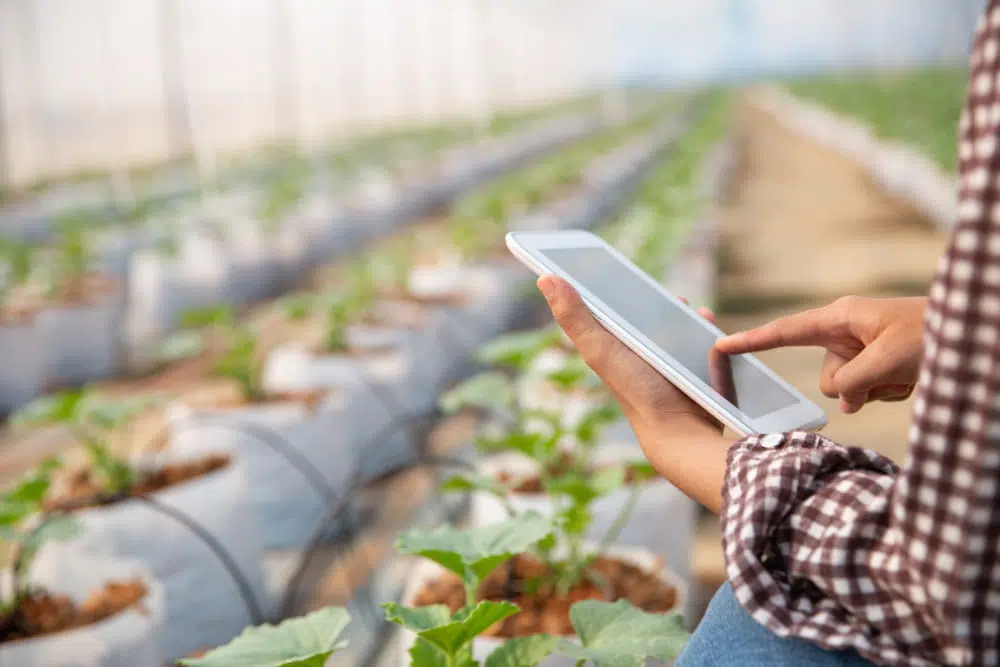
Gone are the days of farming driven only by manual labour or seasonal instinct. The rise of IT in agriculture in South Africa has enabled farmers to make precise, informed decisions based on real-time data. Through sensors, drones, and cloud-based platforms, farms are becoming digital ecosystems, capable of optimising water usage, predicting yields, and combating crop diseases faster and more effectively.
This shift isn’t confined to high-tech commercial farms. With mobile-first solutions and accessible platforms, smallholders and rural cooperatives are also benefiting from tailored tools that help them manage land and connect to markets. That’s the beauty of IT in agriculture in South Africa – it’s scalable, inclusive, and attuned to the local landscape.
With the global community far from achieving the goal of limiting global temperature rise to below 2°C of levels prior to the first industrial revolution, there is a need for urgent action. This urgency also presents an opportunity for South Africa’s youth to harness technological innovation in addressing climate change, creating jobs and contributing to sustainable development.
A recent Nature Journal report highlights 2024 as the first year to surpass the critical 1.5°C global temperature increase threshold, underlining the need for immediate, accelerated action to mitigate environmental degradation.
Similarly, the UN SDGs remain out of reach in South Africa and globally. While this reality is concerning, it is also an opportunity − one through which South Africa’s youth can drive change through technological innovation, job creation and sustainable development.
South Africa faces entrenched challenges. In a UN review, it noted there is a dire need to upskill workers in an economy with one of the highest unemployment rates across the world; officially the unemployment rate in South Africa is 32.9%, as reported during the first quarter of this year.
The so-called expanded rate, which includes those who have given up seeking gainful employment, is 43.1%, up 1.2 percentage points from a year ago. At the same time, we struggle to meet SDG targets on poverty, education, gender equality and institutional strength.
To unlock real progress, we must prioritise future-focused skills development. Technological advancements and innovations present significant economic potential.
The UN’s SDG report for South Africa emphasises the importance of aligning skills development with the labour market, suggesting that the development of green technology and the broader renewable energy sector are more than just enablers, as they are key levers for employment, entrepreneurship and climate resilience.
- HB Klopper for ITWeb