
City Power’s electricity theft crackdown faces data problem
City Power’s R3.96 billion in non-technical electricity losses is the target of a tender for near-real-time monitoring of prepaid purchases, but experts warn analytics will flag suspects, not recover money.
According to City Power’s latest annual report, the 2024/25 figure was up from R3.45 billion the previous year. It accounted for 20.85% of electricity purchased and included theft, illegal connections, meter bypassing, faulty equipment and billing errors.
Jacqui Muller, a researcher at Belgium Campus iTversity and a PhD candidate in computer science and information technology, warns that the proposed monitoring capabilities depend on the type of electricity meters installed.
“Standard prepaid meters are essentially one-way. You see the token sale, not the consumption,” Muller says. Near-real-time monitoring needs smart meters with reliable communications, a system that can take in interval readings, and clean links between the vending, billing, meter and GIS systems, she adds.
Locked out of classroom, locked out of tech
Only three schools for South Africa’s Deaf learners teach maths, writes Edward van Niekerk, vocational programme coordinator at Belgium Campus iTversity.
Children as young as 13 must make subject choices that can shape what they study later and, ultimately, the careers open to them. It’s a big decision for such young learners, who may well change their minds multiple times before finishing school.
For Deaf learners, that decision is substantially more difficult because not every school offers the subject they wish to study, which can cut them off from several career choices.
This has a broader impact because Deaf learners may be cut off from fields desperately short of skills, including artificial intelligence, cyber security and software development.
Rogue AI agents spark calls for jail time
As increasingly autonomous AI systems begin causing real-world problems, companies are racing to put safeguards in place amid calls for tougher regulation – and even jail time.
The Vienna Agentic Incidents Database has recorded 30 incidents involving autonomous AI agents, including unauthorised file and database deletions, cyber intrusions, financial transactions and agents interfering with shutdown controls, since 2022.
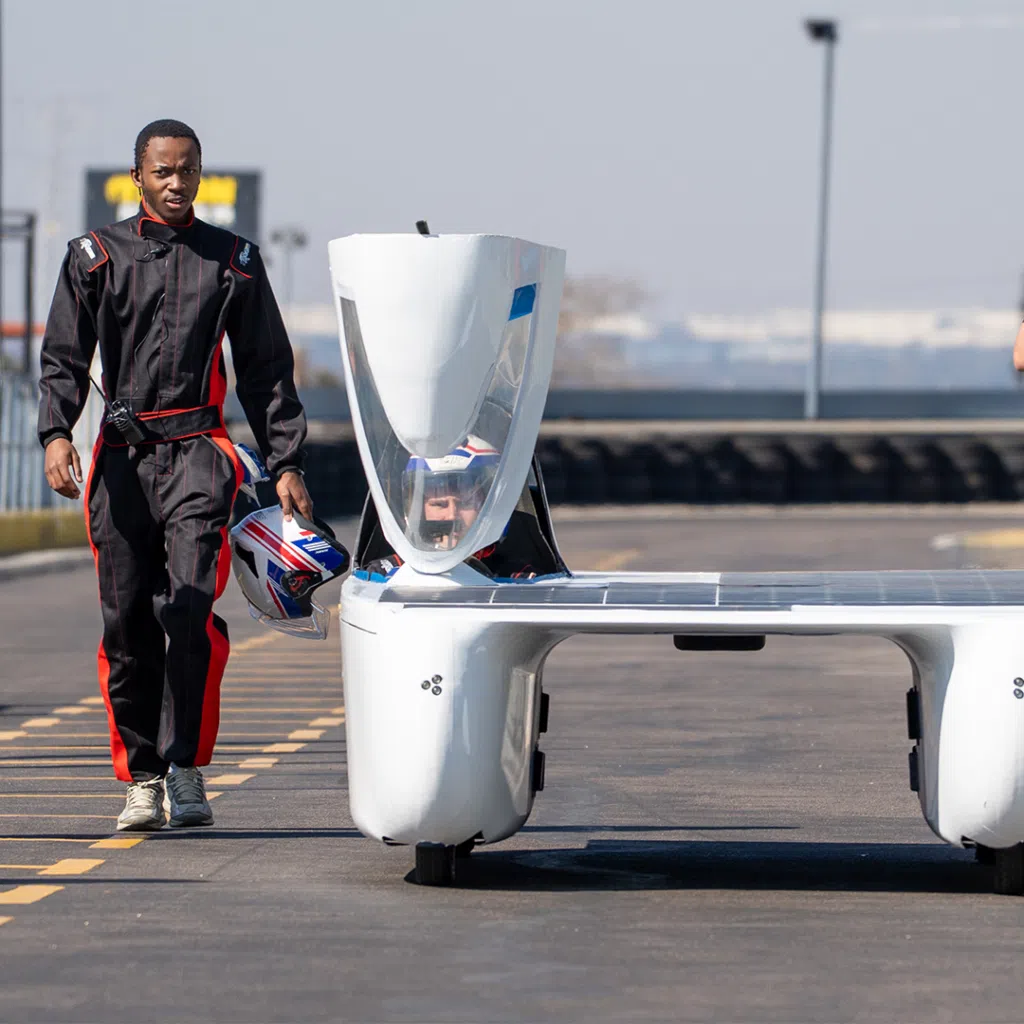
Belgium Campus iTversity consortium set for Sasol Solar Challenge debut with SOL-1
SOL INVICTUS Dynamics, a multidisciplinary consortium of students, academics, and industry mentors from Belgium Campus iTversity, CTU Training Solutions, IMM Graduate School, Open Window Institute and UXi Private Education, will make its competitive debut in the 2026 Sasol Solar Challenge with its solar-electric vehicle, SOL-1.
The team will travel more than 2,500 km over eight days from Sasolburg to Paarl as part of South Africa’s premier solar-powered endurance event. Competing in the Challenger Class, SOL INVICTUS Dynamics will join local and international teams in a competition where success is determined by the total distance covered through a combination of vehicle efficiency, energy management, and race strategy.
For the consortium, the challenge also presents an opportunity to engage with learners at schools across the country and demonstrate how technology, engineering and innovation are applied in a practical setting.
SAICTA targets ICT jobs gap with new portal
The South African Information and Communication Technology Association (SAICTA) has introduced a new jobs portal aimed at connecting ICT professionals and graduates with employers.
Called Industry Connect, the portal is intended to go beyond traditional online job boards by linking employers, jobseekers and professional development in a single platform.
The portal is targeted at ICT jobseekers and ICT professionals, including graduates and people with existing ICT skills, while also serving employers looking to recruit ICT talent.
SAICTA CEO Dr Jannie Zaaiman says the initiative addresses one of the practical barriers to job creation: the disconnect between people with ICT skills and businesses that need them.
Belgium Campus Advances BRICS+ Skills Development
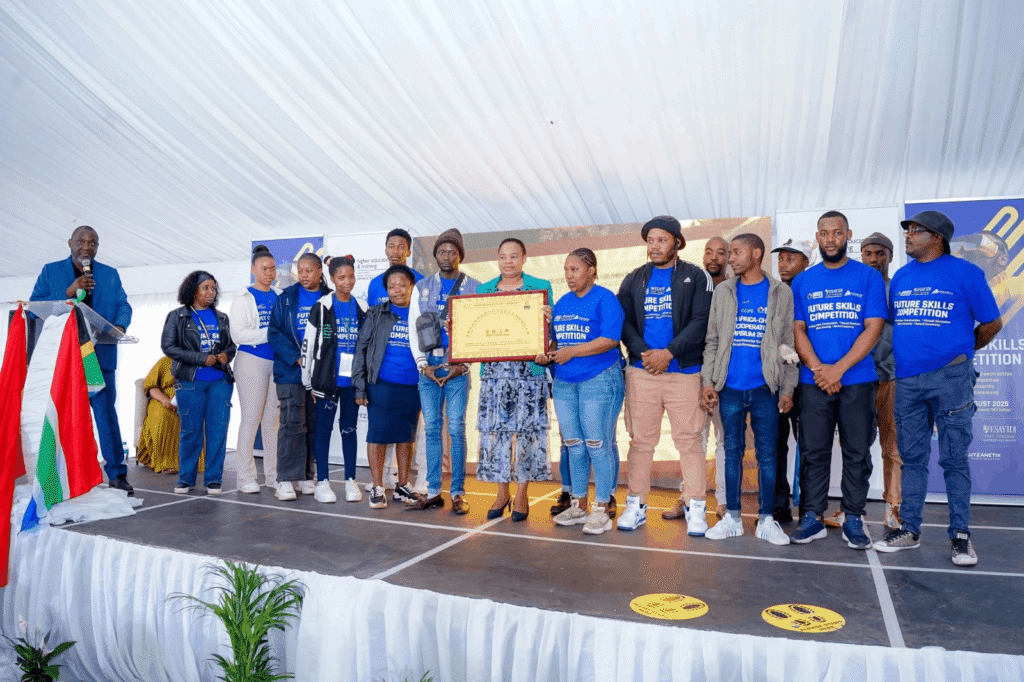
Belgium Campus iTversity continues to play a leading role in advancing skills development, applied technology, and innovation across BRICS+ nations through its ongoing involvement in the BRICS Business Council’s Skills Development, Applied Technology, and Innovation Working Group. Since joining the initiative in 2023, Belgium Campus iTversity has actively contributed to the development of BRICS skills standards, skills training and international collaboration aimed at preparing young people for emerging technology-driven careers.
Central to the initiative are the annual BRICS Skills Challenges and Innovation Competition, which bring together young people, educators, industry experts, and innovation leaders from South Africa and other BRICS+ countries. Hosted in a different province each year, the events provide participants with opportunities to showcase their abilities, develop new skills, and engage with peers and professionals from diverse backgrounds. Previous events were held at North-West University in Gauteng in 2024 and Esayidi TVET College in KwaZulu-Natal in 2025. In 2026, the initiative moves to the Western Cape, where Northlink TVET will host the next edition, bringing together participants and experts from across South Africa and the wider BRICS+ community. Professor Japie Greeff will continue to play a key role in the initiative, reinforcing Belgium Campus iTversity’s contribution to shaping skills standards and translating them into practical training and competition.

SAICTA’s New Job Portal Arrives Right On Cue As SA Targets A Million Jobs By 2030
The launch of the South African Information and Communication Technology Association’s (SAICTA’s) jobs portal comes at an opportune moment as government and business embark on Phase Three of their partnership, seeking to add a million jobs to the economy by 2030.
In announcing the partnership on 20 August, President Cyril Ramaphosa was clear that Southern Africa is well positioned to benefit from the digital revolution, while also making the point that “potential does not become prosperity by itself”.
SAICTA – which aims to bridge the gaps between education and industry; talent and opportunity; and innovation and impact – concurs that long-term stable economic growth that creates jobs will stem from policy, capable institutions, efficient infrastructure, regional value chains, and large-scale investments.

Search is fragmenting – credibility and trust create the new visibility
Online search behaviour has changed significantly with the rise of AI. How can African brands adapt to this new marketing landscape?
Person using a smartphone with a dark translucent search bar overlay showing a magnifying glass icon and the word 'Search…' in white text.
Image by Freepik/Magnific
For decades, digital marketing has relied on a predictable strategy: ensure you rank on the first page of Google.
However, large language models (LLMs) have changed the dynamic, and marketers worry that search engine optimisation (SEO) may be going the way of the dodo. Do keywords, site structure and backlinks still matter in a ‘zero clicks’ environment in which users bypass the traditional blue links to company websites and social media platforms?
SOL INVICTUS puts AI-enabled solar car through its paces at Zwartkops
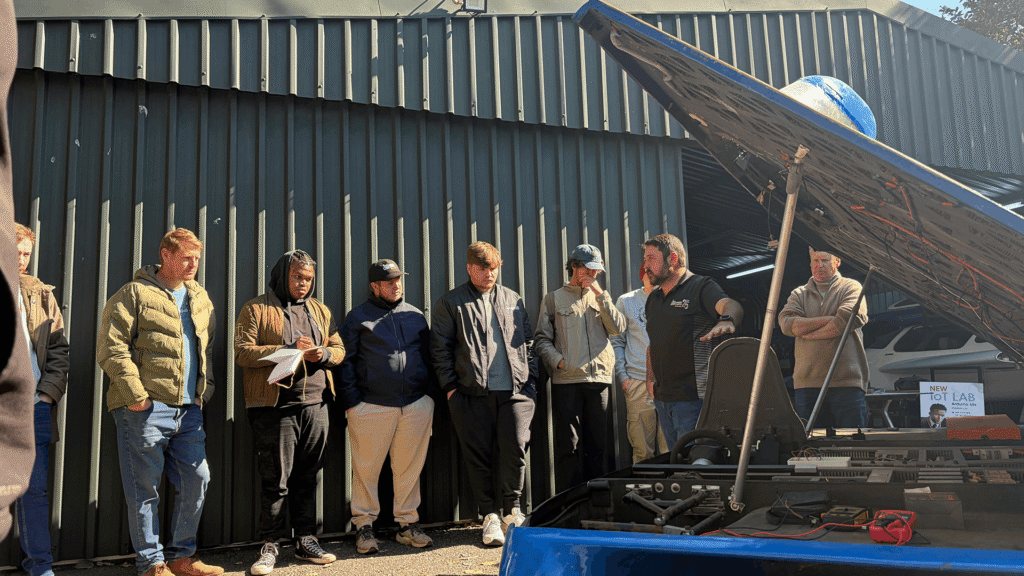
Belgium Campus iTversity and its SOL INVICTUS partners are evaluating an advanced AI-powered telemetry system ahead of the Sasol Solar Challenge.
The solution, developed by students in collaboration with industry and academic partners, makes it possible for their solar-electric race car and support vehicle to operate as a single connected mobility platform and will be live tested at Centurion-based Zwartkops Raceway as the team prepares for South Africa’s premier solar-powered motorsport event.
Sasol’s Solar Challenge is an eight-day biennial endurance event in which local and international engineering teams race custom, solar-powered vehicles across public roads in South Africa between 10 and 17 September. The race starts in Sasolburg and travels a minimum distance of about 2,500 km to Cape Town via Jeffreys Bay.