
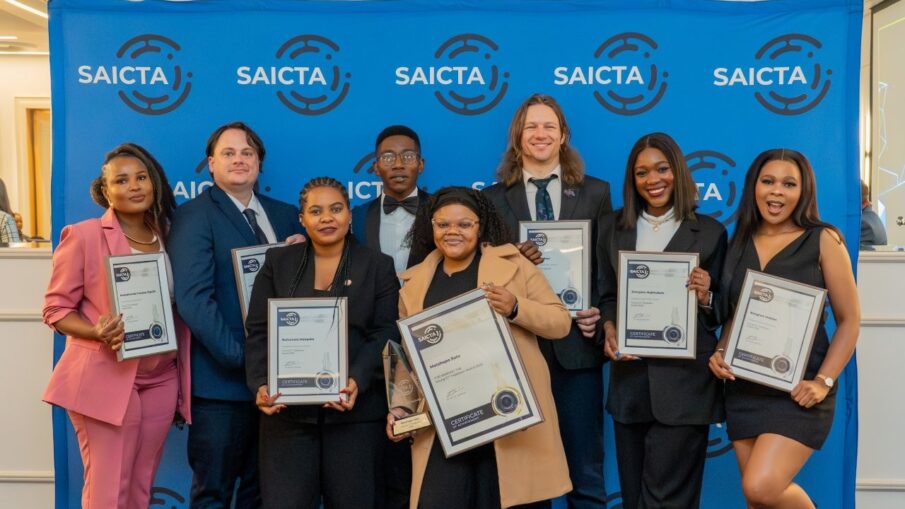
South Africa’s ICT trailblazers honoured at inaugural SAICTA awards gala
The ICT sector’s brightest stars, pioneering innovators, and influential leaders were honoured at the South African ICT Association’s (SAICTA’s) inaugural ICT Excellence Awards Gala Dinner.
Held at the Johannesburg Country Club in Auckland Park, the evening recognised excellence, innovation, leadership and professional contribution within the South African ICT sector. The Awards, which were not just a reflection of recognition, are the start of a new phase in SAICTA’s evolution.
“These Awards are about building a culture in which ICT professionals, startups, women in tech and young trailblazers are seen, valued and encouraged to continue making a meaningful contribution to our country in the digital future,” SAICTA CEO Dr Jannie Zaaiman says.
Active Microsoft Exchange zero-day leaves organisations exposed
Artificial intelligence has rapidly emerged as a pervasive technology that those entering the workplace need to have an understanding of. Increasingly, organisations are prioritising the use of AI-powered solutions and platforms, and their employees must now have AI skills to match.
This has resulted in the South African government making AI skills development a local imperative, but what about the country’s focus of coding, robotics, and 4IR-related skills that were the prioritised for the past decade?
This is the question posed by Celeste Labuschagne, a PhD candidate and Lecturer and Learning Framework Developer at Belgium Campus iTversity.

Why South Africa needs an AI policy for schools
Artificial intelligence has rapidly emerged as a pervasive technology that those entering the workplace need to have an understanding of. Increasingly, organisations are prioritising the use of AI-powered solutions and platforms, and their employees must now have AI skills to match.
This has resulted in the South African government making AI skills development a local imperative, but what about the country’s focus of coding, robotics, and 4IR-related skills that were the prioritised for the past decade?
This is the question posed by Celeste Labuschagne, a PhD candidate and Lecturer and Learning Framework Developer at Belgium Campus iTversity.

AI prompting is the new critical thinking
Rather than outsourcing thinking to AI, students must be taught to interrogate ideas, test assumptions and refine their own reasoning.
The problem with AI in education may not be the technology itself – it may be that students are using it incorrectly, treating it not as a tool, but as a solution. And because educators tend to see it as a threat, they aren’t taking students along a learning path that enables them to use GenAI as an enabler rather than a cheating tool.
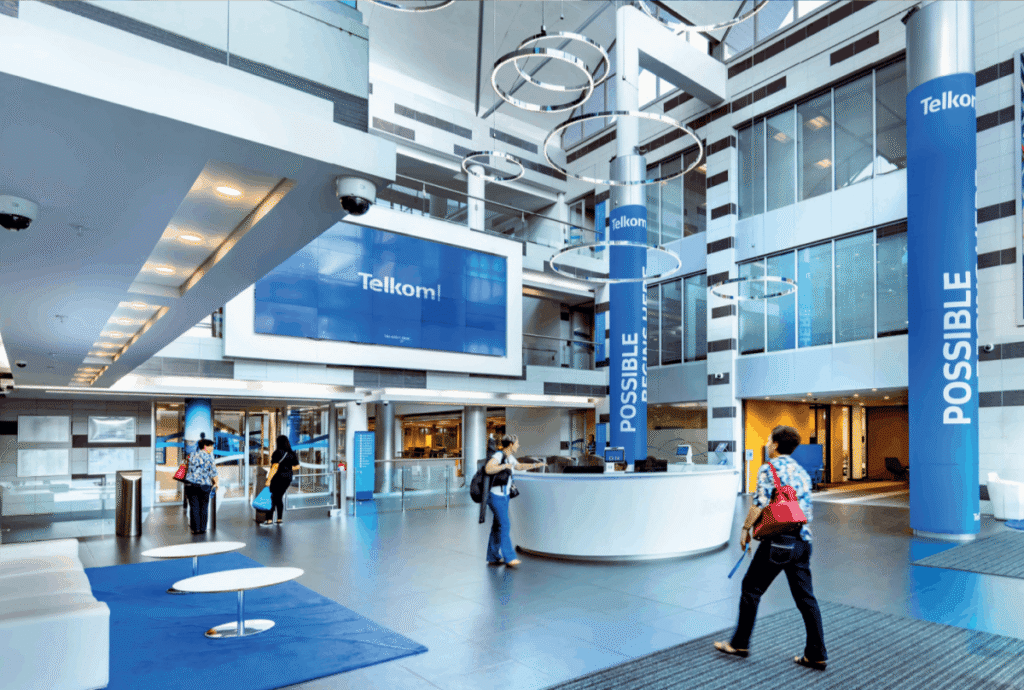
Telkom Foundation Strengthens ICT Pipeline with Debt Relief and Skills Investment
The historic debt intervention supported students from institutions including Tshwane University of Technology, Boston City Campus, Richfield, and Belgium Campus iTversity.
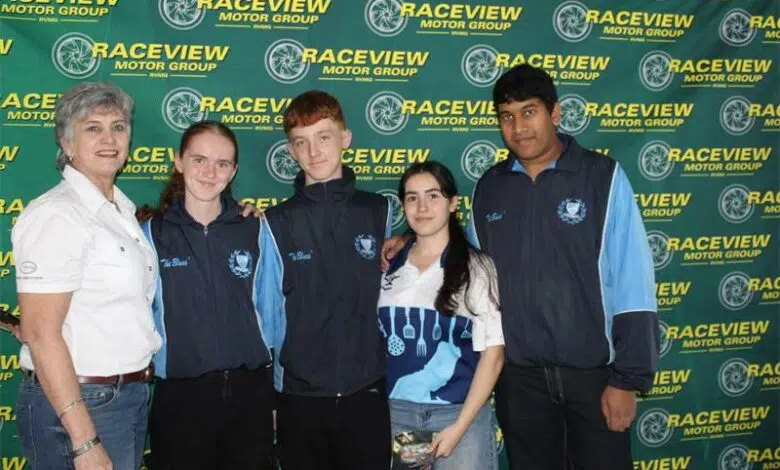
Students explore career options at Career Expo
Students attended a career expo hosted by Raceview Motor Group on April 18, aimed at helping Grade 11 and 12 learners plan their future.

ANALYSIS: Big Tech sets AI to catch AI
As hackers use artificial intelligence (AI) to bypasses security – including one of the largest government breaches on record – companies like Anthropic and OpenAI are holding back tools they see as now being defence systems.
Cyber security firm Gambit recently said it had analysed the attack path behind what it says is one of the largest government breaches on record: the compromise of Mexico’s tax authority and at least eight other organisations.

Adumo payment tech exposed, hackers offer data for $7 000
JSE-listed Lesaka unit Adumo is assuring its clients that no consumer data was breached during a cyber attack that apparently resulted in thousands of files being made available for sale on the dark web.
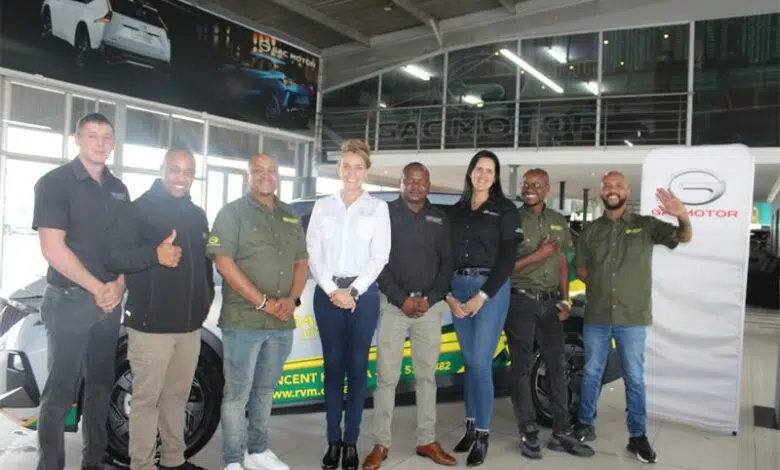
Students invited to explore future opportunities at Raceview Motors
Grades 11 and 12 learners are invited to the Raceview Motor Career Expo where they can explore study options, meet top institutions and stand a chance to win a R20,000 bursary.